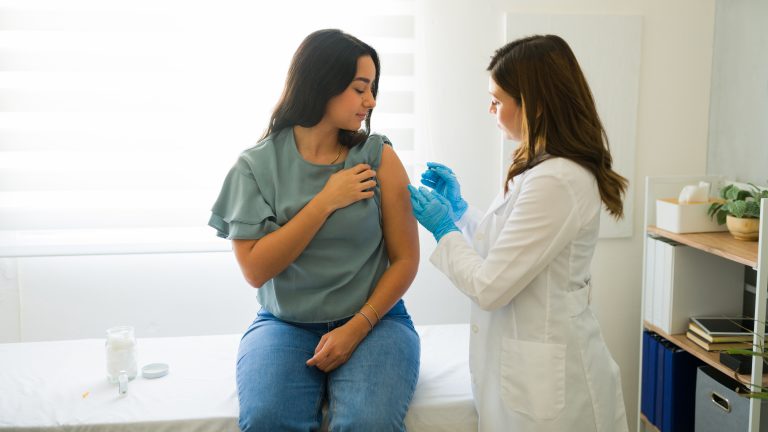
The planned rollout of Lenacapavir – an injection used for pre-exposure prophylaxis (PrEP) to prevent HIV infection – by the department of health in early 2026 is not only a game-changer for prevention but will also enable couples to conceive and carry their babies safely.
One of the key benefits of PrEP is that it can be safely used by HIV-negative partners in sero-different relationships (where one partner is HIV-positive and the other HIV-negative) to support safe conception and breastfeeding without transmitting the virus to their babies.
According to the 2021 South African PrEP provision guidelines, PrEP is “the use of antiretroviral drugs by HIV-negative people before potential exposure to HIV to prevent the acquisition of HIV.” Both oral and injectable PrEP are safe to use during pregnancy and breastfeeding.
In sero-different relationships, PrEP is recommended as a safe conception strategy to protect the HIV-negative partner and prevent transmission to the child. PrEP can be applied in two main scenarios:
Scenario one: An HIV-negative female with an HIV-positive male partner takes PrEP for safe conception and continues during pregnancy and breastfeeding while she remains at risk of HIV exposure.
This aligns with pillar 1 of the Vertical Transmission Prevention (VTP) guidelines, which focus on the primary prevention of HIV transmission among women of childbearing age.
Scenario two: An HIV-negative male with an HIV-positive female partner takes PrEP for safe conception, while the HIV-positive female continues on antiretroviral therapy (ART) during pregnancy and breastfeeding to prevent vertical transmission. This aligns with pillar 3 of the VTP guidelines, which focuses on preventing vertical transmission.
PrEP can also be used by couples who are both HIV-negative but are at high risk of contracting HIV.
The introduction of Lenacapavir, a six-monthly injectable, supports the recommendations of the 2022 National Antenatal Care (ANC) HIV Sentinel Surveillance, which highlighted the need to strengthen HIV prevention efforts among HIV-negative women attending antenatal care.

The surveillance study, conducted by the National Institute for Communicable Diseases (NICD), monitored HIV prevalence and estimated PrEP coverage among pregnant women (aged 15–49) attending 1,595 public antenatal clinics between February and April 2022.
Secondary analysis of the 2022 ANC survey revealed that 31% of HIV-negative pregnant women were at substantial risk of HIV acquisition. Among them, 4% reported having an HIV-positive partner, while 68% did not know their partner’s HIV status.
PrEP remains an essential HIV-prevention tool for women with HIV-positive partners or those who don’t know the HIV status of their partners.
The study also examined factors associated with PrEP uptake before and during pregnancy. PrEP uptake prior to pregnancy was six times higher among women with HIV-positive partners compared to those with HIV-negative partners. Similarly, during pregnancy, those with HIV-positive partners were eight times more likely to use PrEP.
Although these findings indicate that PrEP is being used as a safe conception strategy in the public sector, overall uptake remains low at 3.6% prior to pregnancy and 6.5% during pregnancy.
This is concerning, as oral PrEP (taken as one tablet daily) is freely available in public health facilities for HIV-negative individuals. PrEP is also available in the private sector in other forms, such as the 28-day silicone vaginal ring and the two-monthly cabotegravir injectable.

Despite SA’s high HIV burden – 7.8-million people living with HIV in 2024, 81% on ART, and 170,000 new infections – the advances in HIV treatment and prevention are commendable.
To effectively combat the epidemic, prevention efforts must be strengthened alongside the expansion of ART, particularly for the prevention of mother-to-child transmission.
With the introduction of Lenacapavir, expected to be accessible in some public sector facilities by early 2026, we anticipate improved PrEP uptake — not only among pregnant women but also among all individuals at high risk of HIV infection.
We need to continue strengthening and promoting early ANC attendance. Maintaining viral load monitoring and returning results to pregnant women living with HIV to ensure women are virally suppressed and that both low-level and high-level viraemia are responded to timeously.
We need to also promote male circumcision and condom use as strategies for the primary prevention of sexually transmitted infections. These warrant a further focus on their inclusion in existing prevention strategies.
This article is republished from Sowetan newspaper under a Creative Commons license. Read the original article.