
Measles and rubella surveillance data and analyses are updated daily and reported weekly. The reported figures may be influenced by the number of specimens from suspected cases that are received by the laboratory at the time of testing.
Measles surveillance
Between 29 December 2025 and 08 November 2026 (ISO Weeks 1-45, data accessed 17 November 2026), 8,177 laboratory-confirmed measles cases were reported nationally. Cases were reported from all nine provinces, with an increase in the number of cases across all provinces. The highest number of new cases were reported from Mpumalanga (35 cases), followed by Free State (34 cases), Northern Cape (33 cases), North West (31 cases), Limpopo (27 cases), Western Cape (20 cases), KwaZulu-Natal and Gauteng (15 cases each), and the Eastern Cape (5 cases).
Public health interventions
For health professionals
Clinicians and public health officials are urged to strengthen measles and rubella surveillance nationally to improve case reporting, laboratory confirmation, and contact tracing, to support national measles elimination goals. All suspected measles and rubella cases should be investigated promptly, with blood specimens collected for laboratory confirmation, and notification should be completed through the Notifiable Medical Conditions Surveillance System (NMCSS ).
For the public
Public awareness campaigns should be intensified to build trust in vaccines and address hesitancy by engaging with community leaders, healthcare workers, and other stakeholders to promote vaccine acceptance and participation in immunisation activities.
Update on the rubella outbreak in South Africa
Between 29 December 2025 and 08 November 2026 (ISO Weeks 1-45), a total of 1,309 laboratory-confirmed rubella cases were reported nationally. The highest numbers of new cases were reported from the North West (13 cases), Northern Cape (9 cases), Gauteng, Mpumalanga and KwaZulu-Natal (5 cases each), Free State (4 cases), Limpopo (2 cases) and Western Cape (1 case).
Public health interventions
For health professionals
Rubella is a contagious viral infection that is usually mild but can cause serious complications in pregnancy, resulting in Congenital Rubella Syndrome (CRS) in infants. Health professionals should strengthen surveillance and laboratory confirmation of suspected cases to support national elimination goals.
For the community
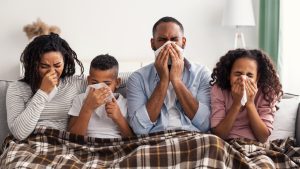
Rubella, also known as German measles, spreads easily through coughs and sneezes and can be dangerous for unborn babies if a pregnant woman becomes infected. The best way to prevent rubella is through vaccination with the MR vaccine. This vaccine is given as part of the routine childhood immunisation schedule.
Relevant resources, including the case definition, investigation form, and surveillance results, are available on the NICD measles page and the measles-rubella dashboard.